

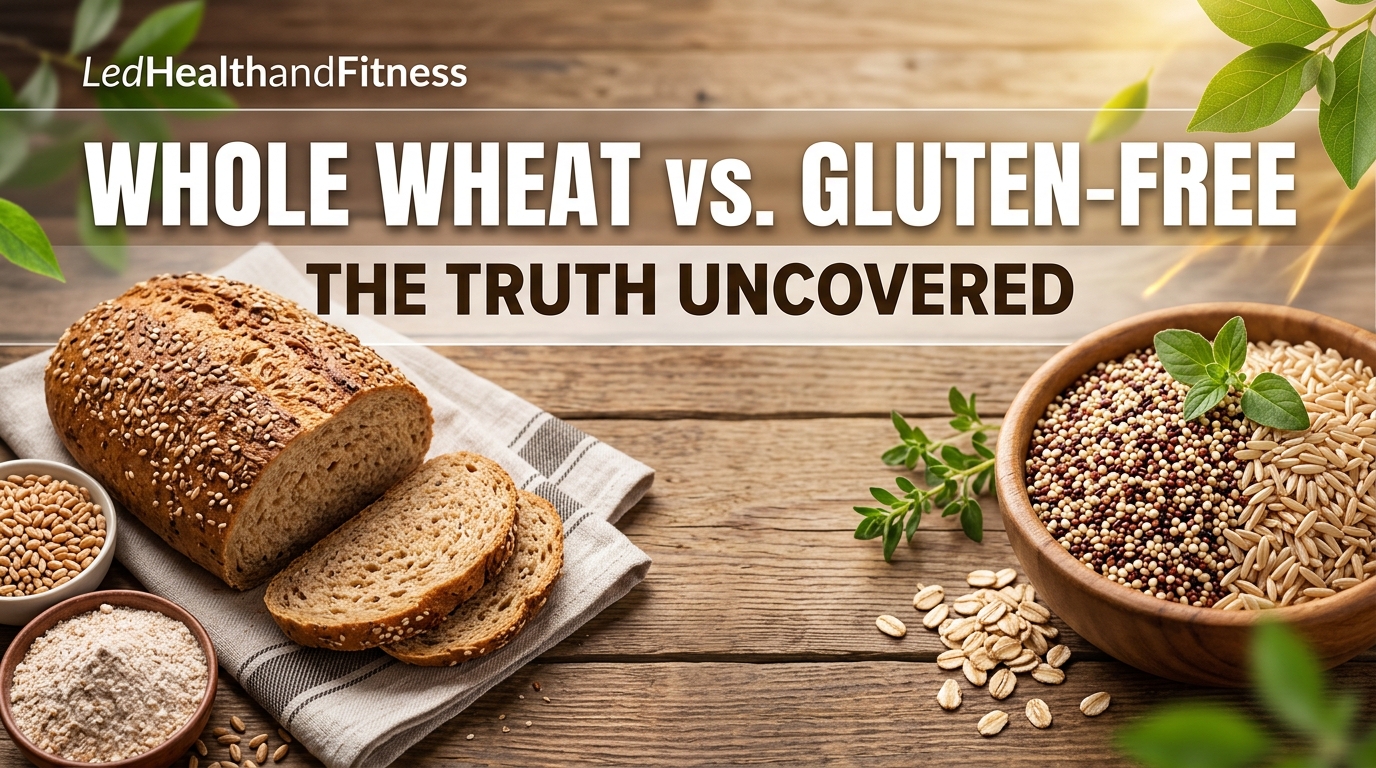


Walking down the grocery aisles can feel like navigating a maze of clever marketing. Boxes and bags are covered in bold claims like “Made with Whole Grains,” “All-Natural,” or “Gluten-Free.” But front-of-package claims are designed to sell products—not necessarily to keep you healthy.
To truly understand what you are feeding your body, you need to look past the flashy headlines on the front and turn the package over to read the label on the back.
At LedHealthandFitness, we believe that real health starts with clarity. Knowing how to evaluate ingredients and nutritional panels empowers you to make informed choices that align with your fitness and wellness goals. Here is your ultimate step-by-step guide to decoding nutrition labels and spotting hidden sugars, refined starches, and ultra-processed additives.
1. Start with the Ingredient List
Before looking at the calorie counter or macronutrient totals, turn straight to the ingredient list.
Ingredients are always listed in descending order by weight. The first 3 to 5 ingredients make up the primary bulk of what you are eating. If a refined flour, added sweetener, or processed oil sits near the top of the list, that item is a core foundation of the product—regardless of what the front cover promises.
2. Unmask Hidden Sugars
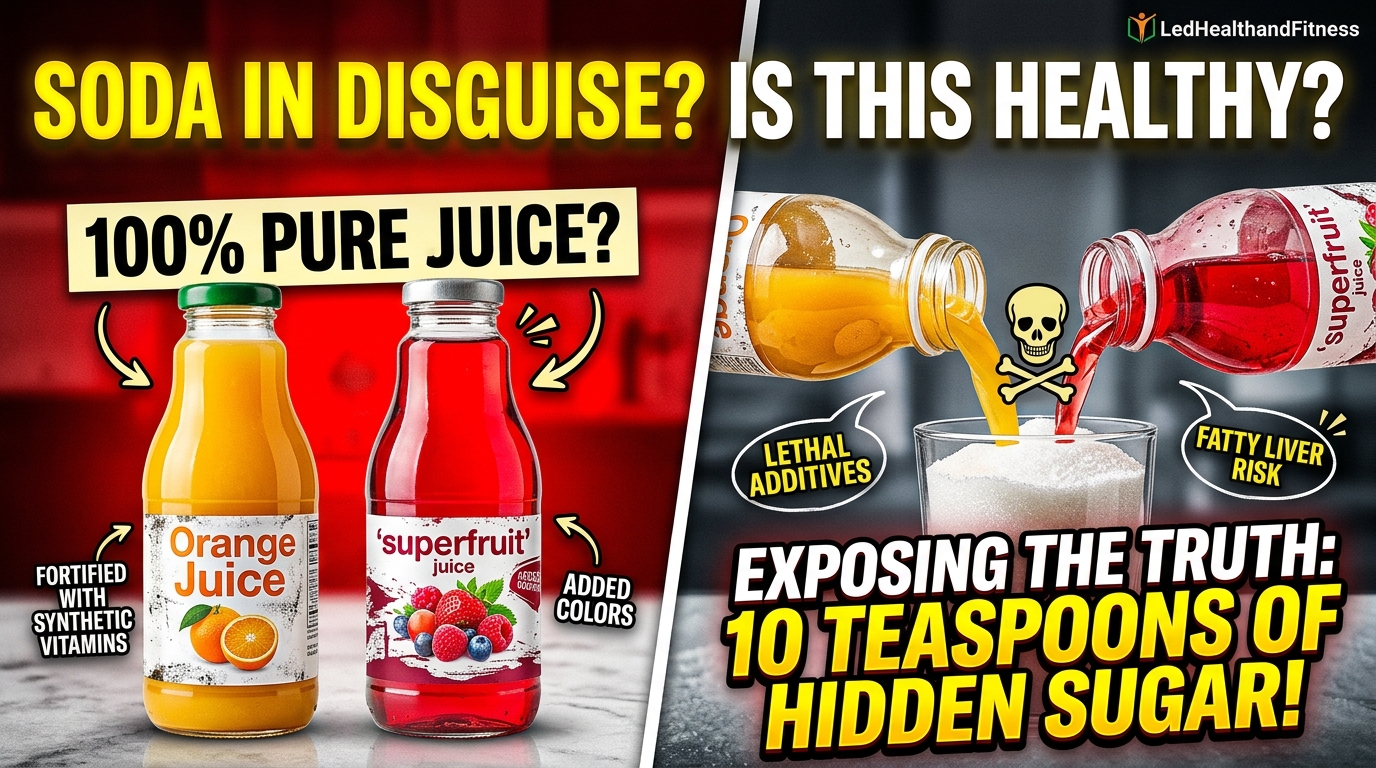
Sugar isn’t always listed simply as “sugar.” Food manufacturers frequently use multiple forms of sweeteners in small amounts so that no single name appears as the primary ingredient. In fact, there are over 60 different terms used for added sugars on food labels.
When reading labels, keep an eye out for:
- Words Ending in “-ose”: Sucrose, high-fructose corn syrup, glucose, dextrose, maltose, fructose.
- Syrups & Nectars: Agave nectar, rice syrup, malt syrup, maple syrup, corn syrup.
- Concentrates & Unrefined Sugars: Fruit juice concentrate, cane sugar, coconut sugar, molasses, honey.
- Hidden Starches: Maltodextrin (a fast-digesting starch product that spikes blood sugar similarly to table sugar).
The Golden Rule: Always check the “Includes Xg Added Sugars” line under Total Carbohydrates on the Nutrition Facts panel. For everyday staple foods like savory bread, aim for products with 0g to 2g of added sugar per serving.
3. Identify Refined Starches disguised as Whole Foods
In baked goods, bread, and packaged snacks, refined flours are often named to sound healthier than they actually are. When a grain is refined, its fiber-rich outer bran and nutrient-dense germ are stripped away, leaving only fast-digesting, empty carbohydrates.
Red Flags on Conventional Labels:
- “Enriched Wheat Flour”
- “Unbleached Wheat Flour”
- “Wheat Flour”
Unless the word “Whole” appears before the grain, it has been refined. Look for “100% Whole Wheat,” “Whole Oats,” or “Whole Rye” as the very first ingredient.
Red Flags on Gluten-Free Labels:
Gluten-free does not automatically mean unrefined. Many processed gluten-free breads and snacks rely primarily on refined starches like white rice flour, tapioca starch, potato starch, or cornstarch. These ingredients digest very rapidly and can cause swift spikes in blood sugar. Look for gluten-free options made from whole food sources like quinoa, buckwheat, brown rice, or sprouted grains.
4. Spot Artificial Additives, Emulsifiers, and Binders
To extend shelf life, prevent stale textures, and create artificial softness, mass-produced bread and packaged items often rely on chemical additives.
- Gums & Binders (Xanthan Gum, Guar Gum, Cellulose Gum, Carrageenan): Used to bind ingredients together and replicate gluten’s texture. While recognized as safe, high amounts can cause gas or digestive discomfort in sensitive gut environments.
- Emulsifiers (DATEM, Mono- and Diglycerides, Polysorbate 60): Used to keep dough soft and shelf-stable for extended periods.
- Preservatives (Calcium Propionate, Potassium Sorbate): Added to prevent mold growth over long shipping and shelf times.
The Golden Rule: Traditional, artisanal bread requires only four basic ingredients: flour, water, yeast, and salt. While a long shelf life can be convenient, the shorter and more recognizable the ingredient list is, the closer the product is to real, unrefined food.
5. Use the Fiber-to-Carbohydrate Ratio Test
A quick mathematical shortcut to test whether a packaged grain product provides steady, sustained energy is to measure its Carb-to-Fiber Ratio:
- Locate Total Carbohydrates and Dietary Fiber on the panel.
- Divide Total Carbohydrates by Dietary Fiber.
- The 10:1 Benchmark: Aim for a ratio of 10:1 or lower (for instance, 20g of carbohydrates should have at least 2g of dietary fiber). A ratio of 5:1 or lower is even better for gut health and long-lasting energy.
Quick Reference Comparison Checklist
+-------------------+----------------------------------------+------------------------------------------+
| Component         | Focus On (Healthy Choice)               | Watch Out For (Highly Processed)         |
+-------------------+----------------------------------------+------------------------------------------+
| First Ingredient  | 100% Whole Wheat, Sprouted Grains      | Enriched Wheat Flour, White Rice Flour   |
| Fiber Content     | At least 3g–5g per serving             | Less than 1g–2g per serving              |
| Added Sugars      | 0g–2g per serving                      | High Fructose Corn Syrup, Maltodextrin   |
| Ingredient List   | Short, recognizable whole foods        | Long list of chemical gums and DATEM     |
+-------------------+----------------------------------------+------------------------------------------+
Conclusion
Learning to read nutrition labels effectively takes the guesswork out of healthy eating. By prioritizing whole, unrefined ingredients, limiting hidden sugars, and choosing products with high fiber content, you ensure that your food serves as high-quality fuel for your body.
At LedHealthandFitness, fitness isn’t just about how hard you train—it’s about how well you nourish your body every single day. Take control of your nutrition by making the back of the label your primary source of truth.
What do you feel about this post?

Like

Love

Happy

Haha

Sad